Sofia is a city you read on foot. Three days are enough to cross two thousand years of it: Roman walls in the morning, golden domes at noon, a mountain trail before dinner.
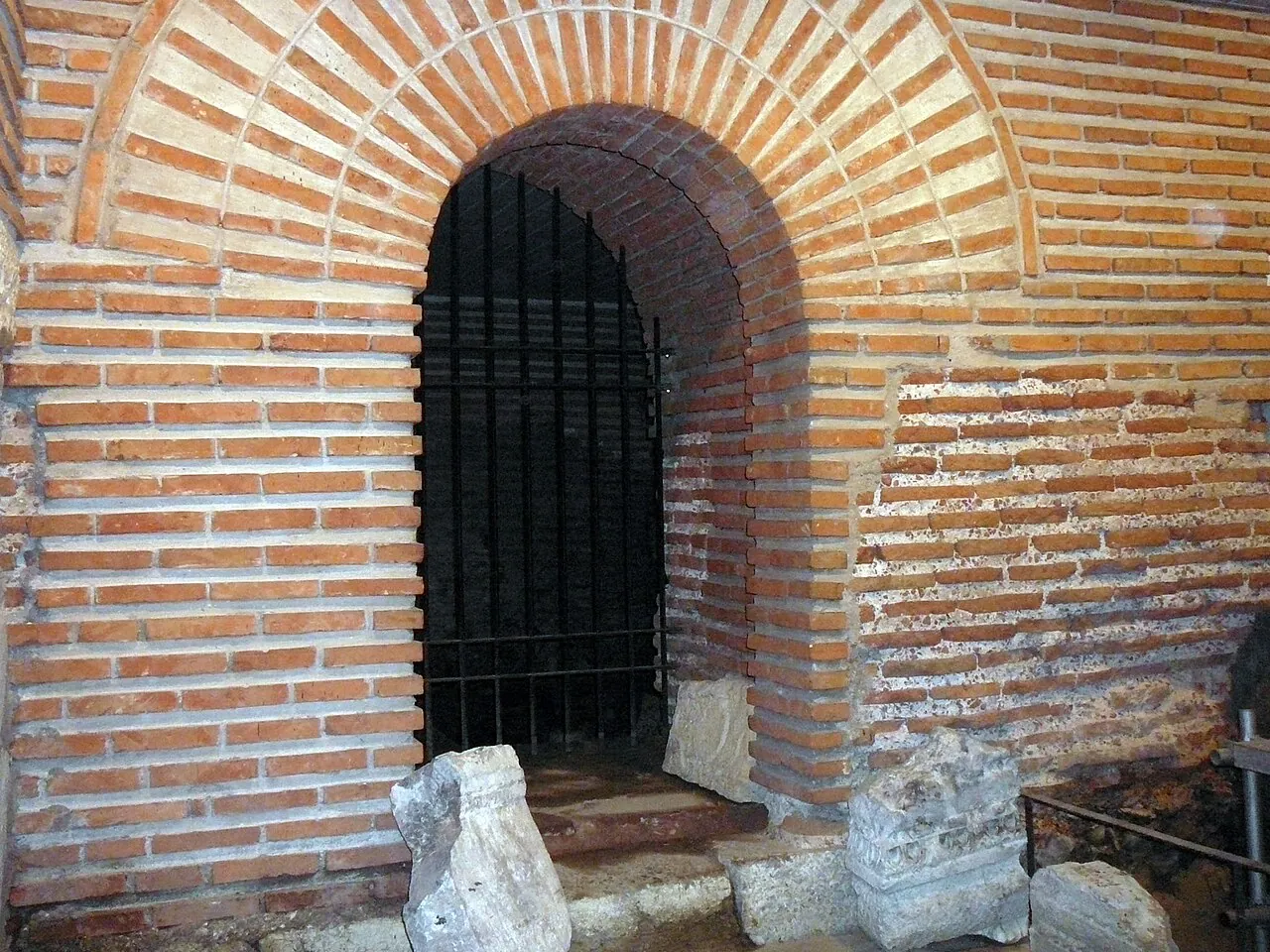
Start with the bridge. Lions’ Bridge, Lavov Most in Bulgarian, is where the itinerary begins, because it sits right at the centre of everything that follows. Walk south-east for a few minutes and the ground opens up: near Serdika metro station, the Roman city of Serdica surfaces between shop windows and commuters, with its walls, brick arches and old streets, all in the open. Nobody queues, nobody fences it off, and people in suits stride past it with a coffee in hand. That mix of ordinary life and very old stone is the signature of the whole city.
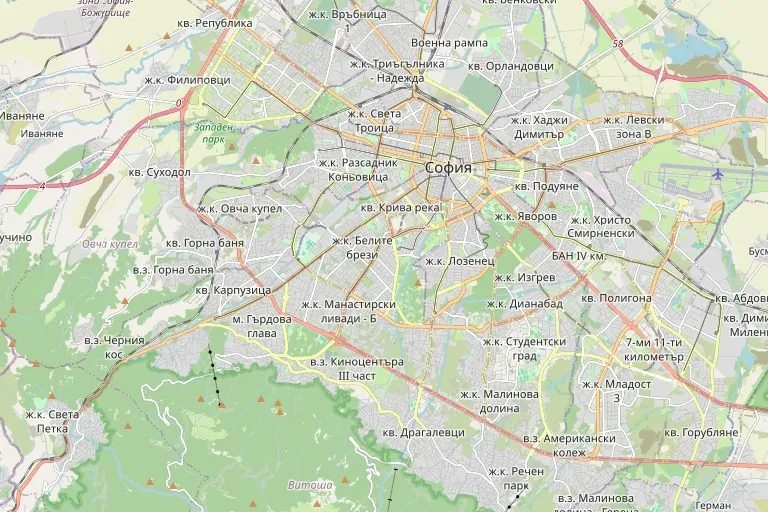 123456
- 1 Lions' Bridge
- 2 Serdica
- 3 Alexander Nevsky Cathedral
- 4 Vitosha Boulevard
- 5 Central Market Hall
- 6 Boyana Church
Day 1: the historic heart
Midday belongs to St George Rotunda.
It hides in a courtyard ringed by government buildings, a small red-brick church dating from Roman times, the 4th century, and usually counted as the oldest building in Sofia. Old frescoes survive inside. Go in. Ten minutes are enough, and the quiet there is of a kind the street outside does not know.
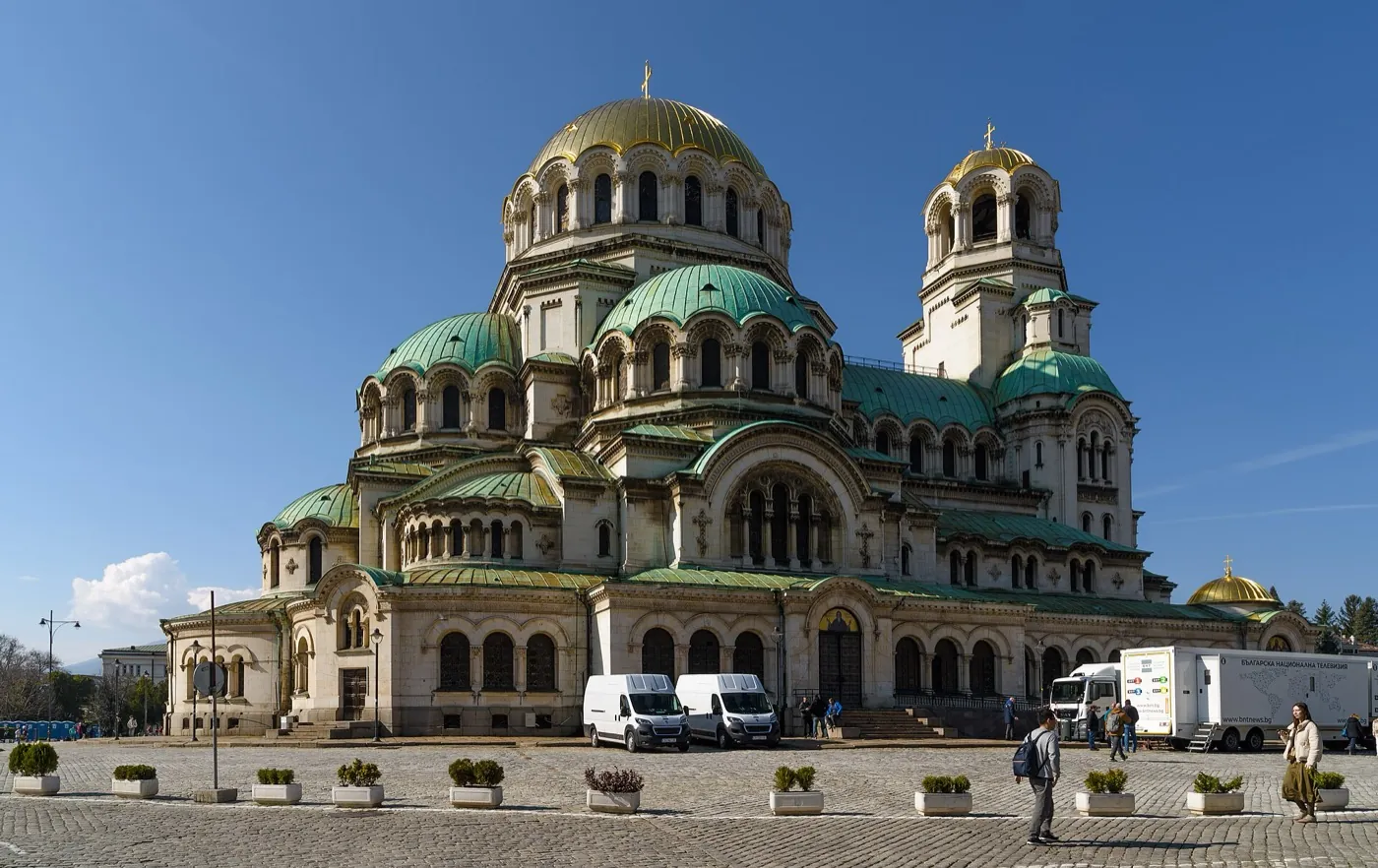
Then the cathedral. Alexander Nevsky is the postcard of the city, a neo-Byzantine giant consecrated in 1924, and you spot its golden domes from half the neighbourhoods. Visit the interior first, then go down to the crypt, where an icon museum is kept. Give yourself a full hour here, longer if the light is good, because the building rewards slowness and punishes anyone who treats it as a photo stop between two coffees. Plan the visit for a time when you are not in a hurry, and you will leave understanding why the people of Sofia treat this church as the emblem of their city.
Evening is for Vitosha Boulevard, the main pedestrian street: shops, terraces, street performers, and the mountain standing at the end of the avenue like a stage backdrop. Eat outside if the weather allows.
Day 2: markets, religions and gardens
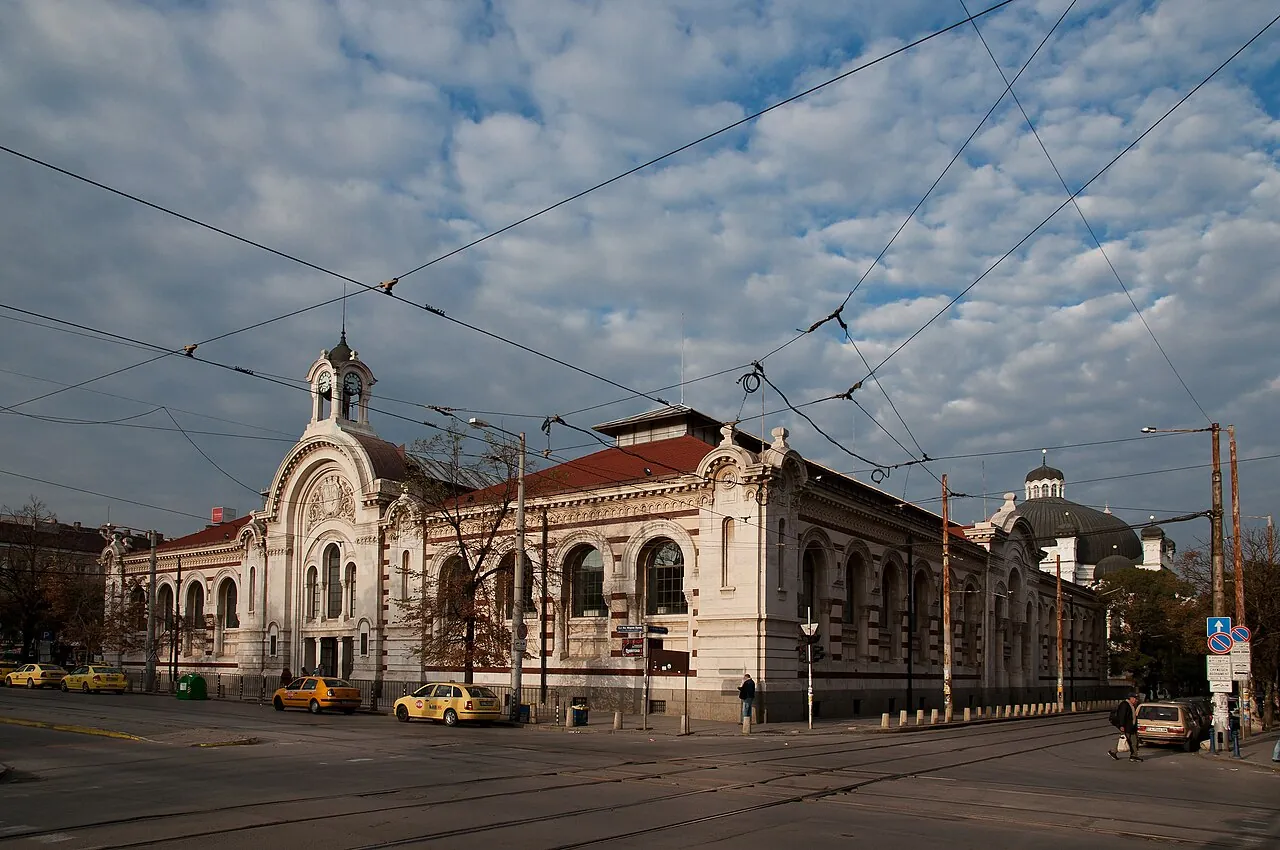
Start at the Central Market Hall, Tsentralni Hali. The building dates from 1911 and still does what it was made for: stalls of cheese, cured meats, fruit and pastries under one roof. Taste a banitsa standing up. Buy tomatoes, cheese and bread for the kitchen, if you have one, and walk out with more than you meant to carry.
A few steps away stand two buildings that say a lot about Sofia: the 16th-century Banya Bashi Mosque and, almost within sight, the Sofia Synagogue, opened in 1909.
Two faiths, one short walk.
After lunch, go green. Borisova Gradina is the city’s big park, a place to walk, sit and watch locals live their afternoon, with long shaded paths and benches that invite you to stay longer than planned. The Knyaz Garden, smaller and closer to the centre, works if your legs have had enough.
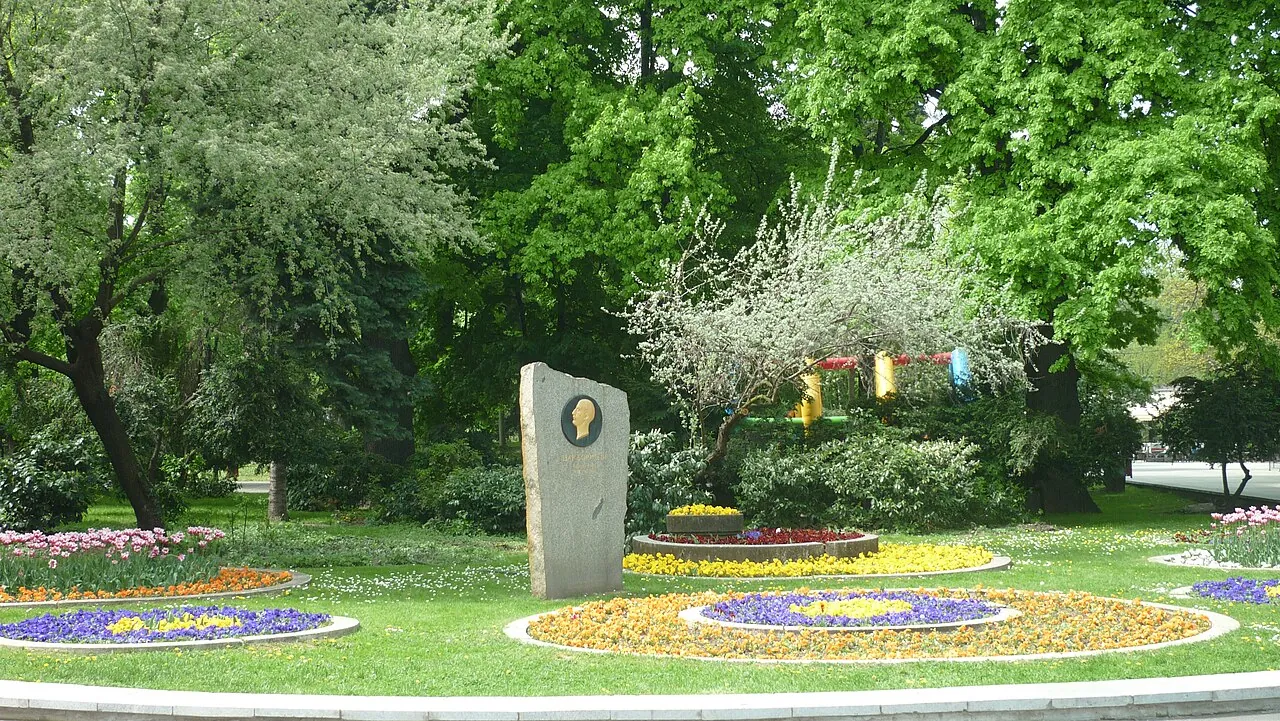
End the day at the NDK. The National Palace of Culture opened in 1981 and remains a vast concert and exhibition complex, ringed by parks and fountains. In the evening it is full of locals, not visitors, which is exactly why it is worth the detour.
Day 3: nature next to the city
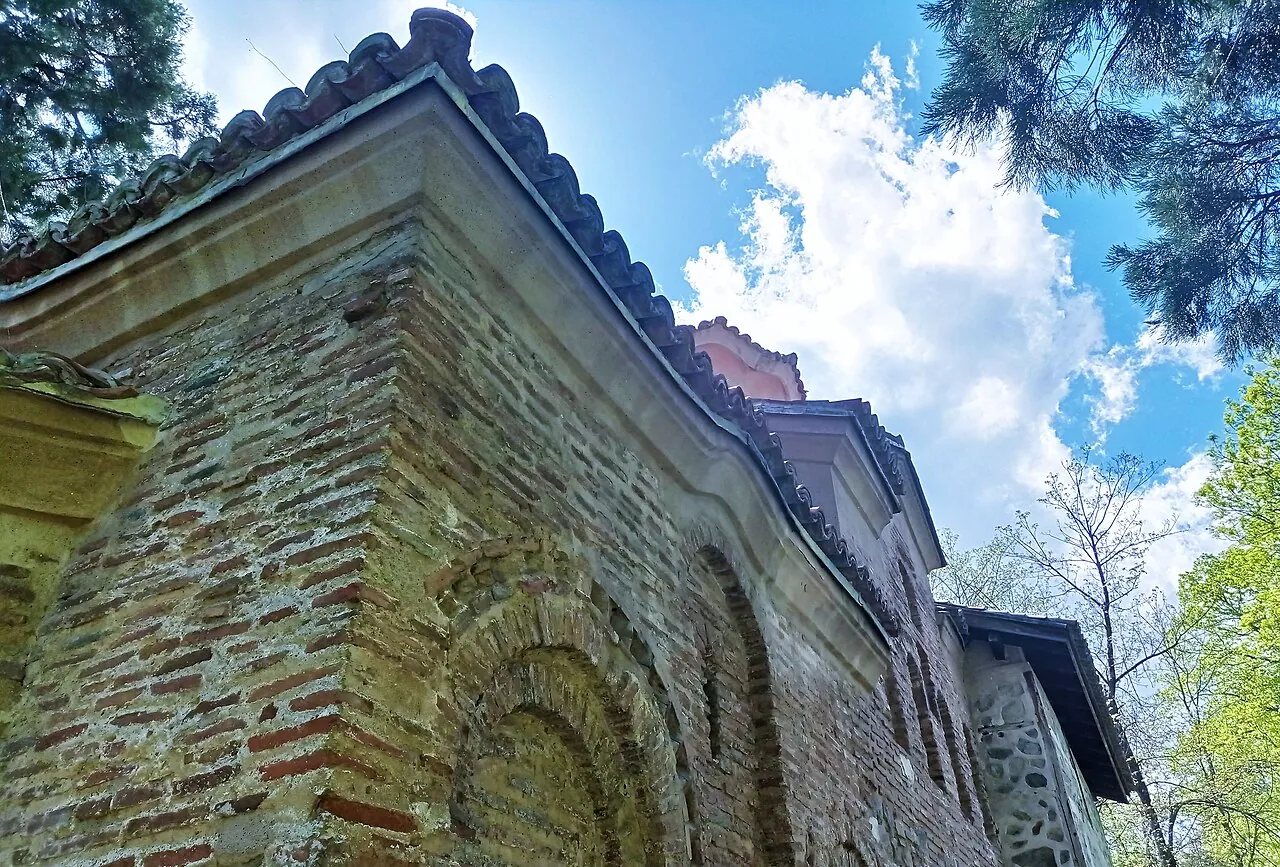
Boyana Church comes first, and it deserves the morning. UNESCO lists it as a World Heritage site for its medieval frescoes, painted in 1259, among the most remarkable in Eastern Europe. The church is small, the paintings are not. It stands in the residential Boyana district at the foot of the mountain, a short taxi ride from the centre, and the visit is short enough to leave plenty of day for the mountain afterwards.
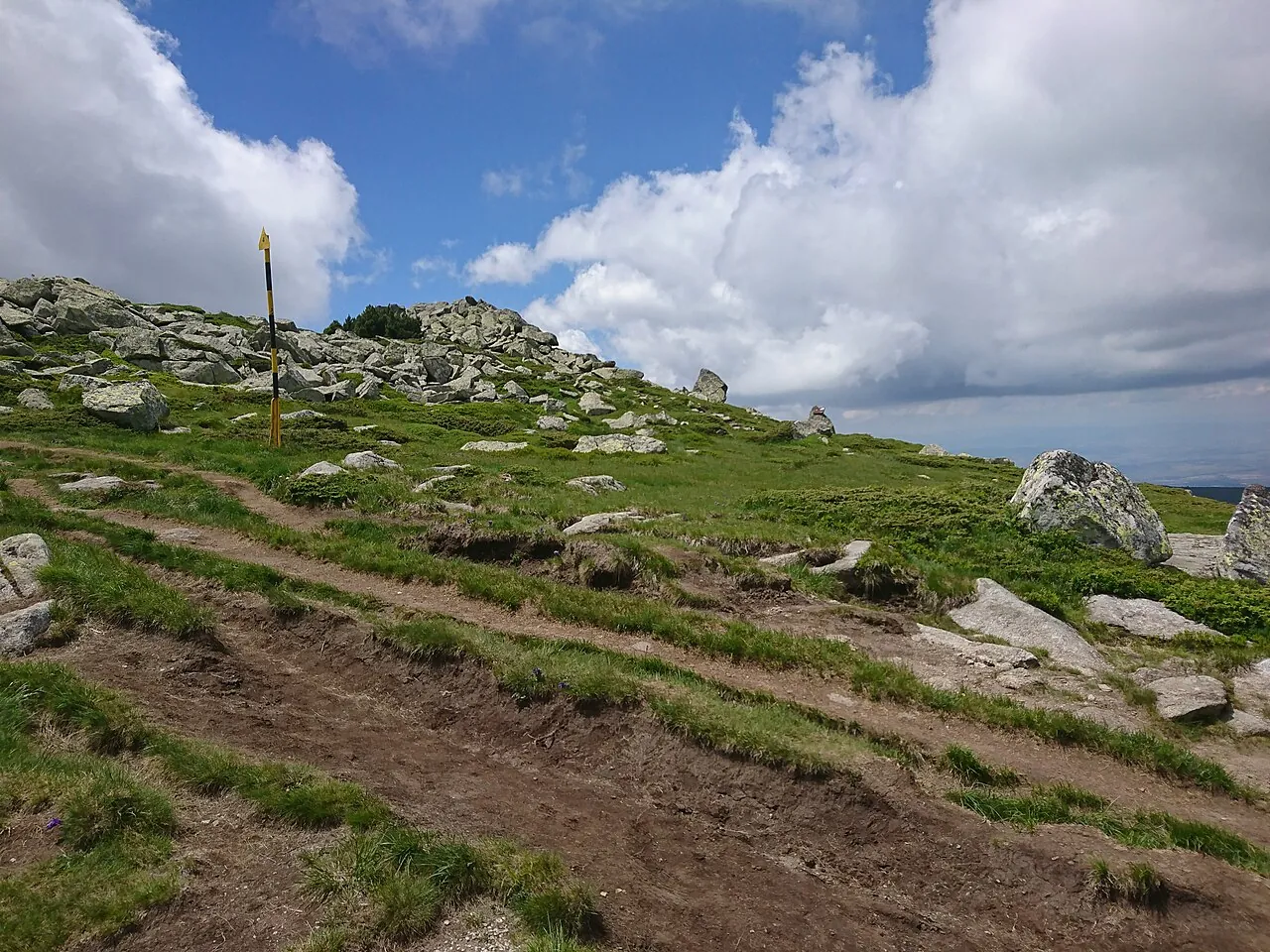
Then up.
Vitosha overlooks the city and is easy to reach by public transport or taxi. In summer the walks are gentle and the views over Sofia are wide; in winter the same slopes are for skiing. The highest point, Cherni Vrah, reaches 2,290 metres.
A few tips
- Wear comfortable shoes: some streets in the centre are cobbled.
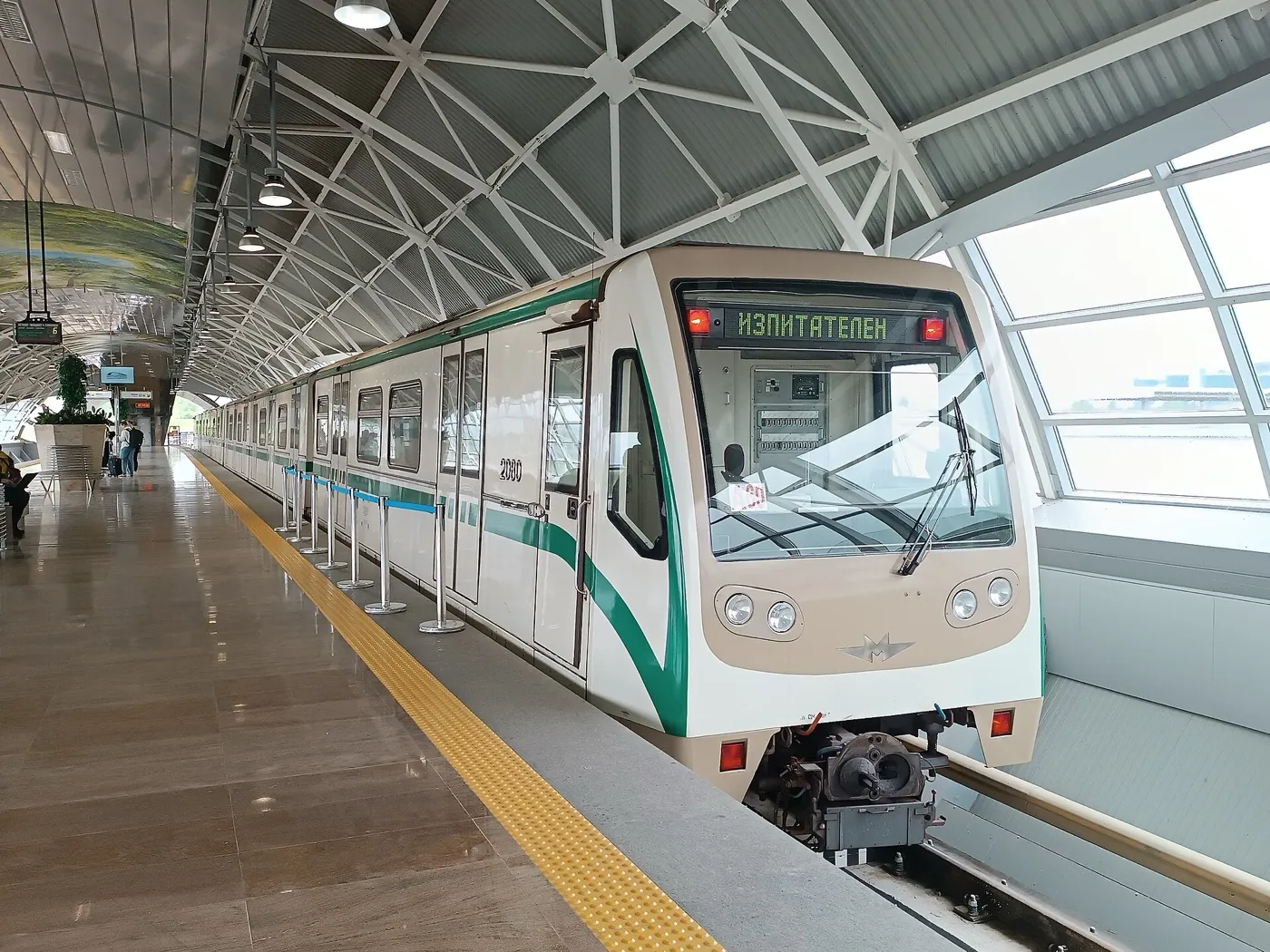
- The metro is very handy, especially for the airport: see our article on getting from the airport.
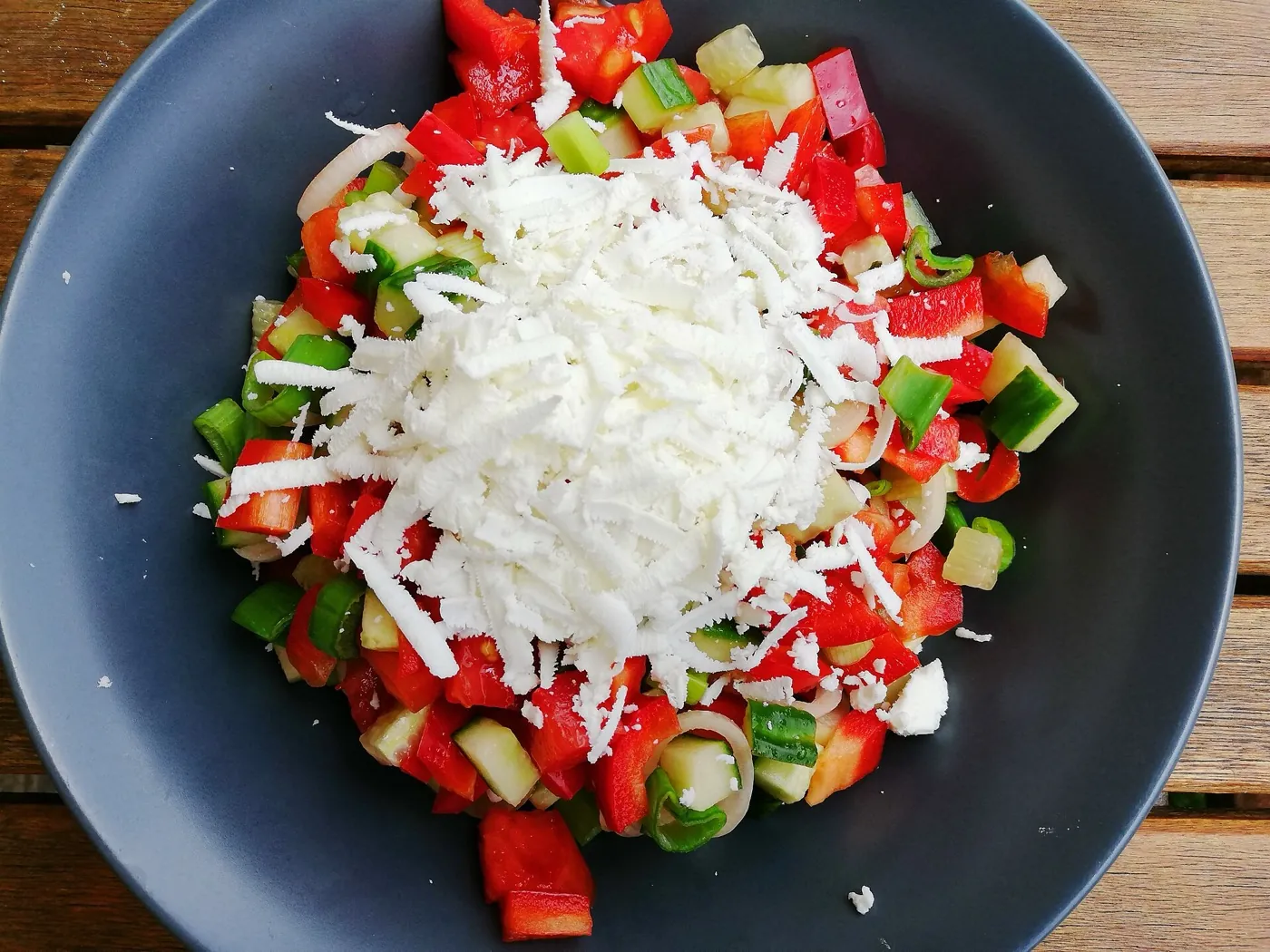
- For lunch and dinner, our favourite addresses are in Eating well in Sofia.
- Short on time? Keep day 1 and half a day at Boyana or on Vitosha.
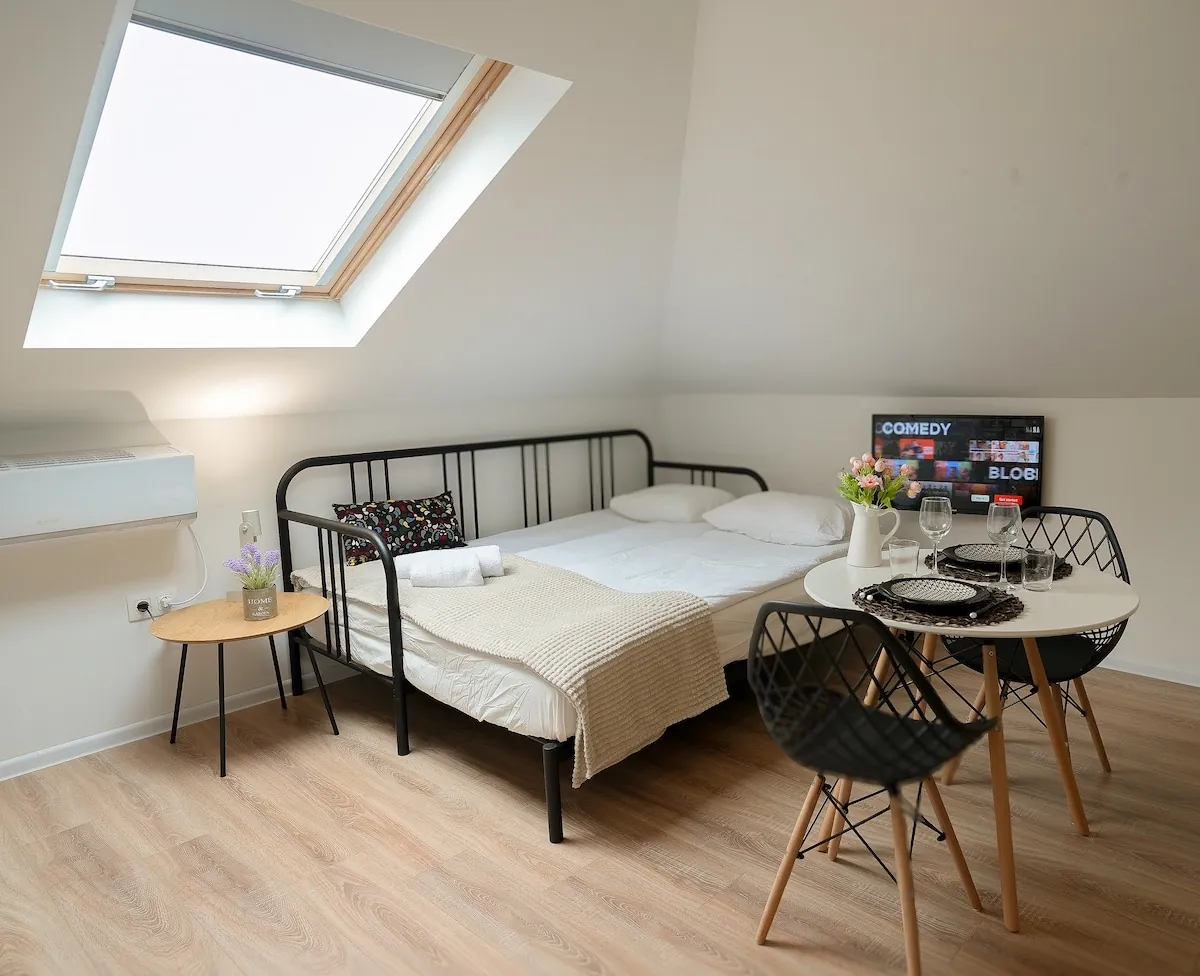
Looking for a cosy, affordable place to stay? We offer 7 elegant studios, ideally located near Lions’ Bridge: bulgarentals.com.